Cessna 172RG Rear RH Baffle Assembly
Cessna 172RG Rear RH Baffle Assembly
Blog Article
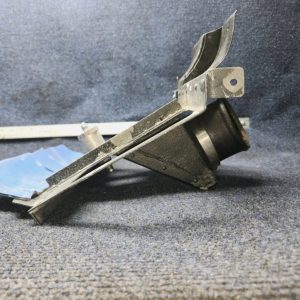
The Cessna 172RG Rear RH Baffle Assembly
Whether buyers search for a Cessna 172RG Rear Right-Hand Baffle, Cessna 172RG Engine Baffle, or Cessna 172RG Cooling Baffle, individual condition and aircraft compatibility should guide the purchase.
Whether described as a Cessna Cutlass Engine Baffle, Cessna 172RG Baffle Assembly, Rear RH Engine Baffle, or Aircraft Engine Baffle Assembly, precise configuration verification remains essential.
Clear descriptions of Cessna 172RG Engine Compartment Parts help maintenance professionals estimate the full scope of the repair.
A Cessna Aircraft Engine Baffle can form part of an Engine Cooling Baffle Assembly, while a Cessna Cutlass Cooling System Part must correspond with the installed aircraft and engine configuration.
Understanding P/N 2455038-2
A component more info should not be accepted as P/N 2455038-2 solely because it appears to fit the rear right-hand engine area.
The buyer should determine whether the assembly is original, repaired, refurbished, fabricated, removed from an aircraft, or offered as an incomplete section.
Cessna 172RG Engine Temperature Management
The rear right-hand baffle helps guide cooling air through intended paths around the engine installation rather than allowing it to escape through uncontrolled gaps.
A replacement component should restore the intended geometry without creating interference with cylinders, hoses, wiring, controls, exhaust parts, or cowling.
Cessna 172RG and Cutlass Compatibility
A rear right-hand baffle should not be advertised as suitable for every Cessna 172 model merely because the aircraft share a related airframe family.
Mounting holes should not be enlarged or relocated casually to force alignment.
Maintaining Original Baffle Geometry
Formed contours help the baffle fit around the engine and connect with surrounding cooling-system components.
The baffle should be supported correctly during storage and shipment to prevent bending.
Rear RH Baffle Damage Inspection
Both sides should be examined under suitable lighting, especially around bends, corners, mounting holes, stiffeners, and seal-retaining edges.
The assembly should be checked for evidence of engine vibration, cowling contact, exhaust heat, fluid contamination, impact, improper removal, and unsuitable storage.
Managing Gaps Around the Engine Baffles
Flexible seals help close gaps between metal baffles and surrounding cowling surfaces so cooling air follows the intended route.
Seal attachment holes and retaining strips should be inspected for corrosion, cracking, elongation, and previous modification.
Evaluating Corrosion on Cessna Baffles
Corrosion inspection should address exposed surfaces, overlapping joints, fastener areas, lower edges, brackets, and locations where moisture or contaminants can collect.
Responsible corrosion prevention supports long-term component value.
Maintaining Secure Baffle Connections
Stop-drilled cracks should not be treated as complete repairs without supporting technical information.
Old hardware should not be reused automatically because it fits the existing holes.
Cessna Cutlass Cooling System Components
Organized inventory management supports a more efficient Cessna Cutlass maintenance project.
Parts should be labeled and segregated according to condition and inspection status.
Diagnosing Cessna 172RG Cooling Concerns
Unexpected engine temperatures should be investigated through a structured review of instrumentation, engine condition, airflow, baffles, seals, cowling, operation, and environmental factors.
Cleaning or replacing one baffle should not be presented as a guaranteed cooling improvement.
Sheet-Metal Cooling Component Restoration
The technician should consider access, labor, material, finishing, alignment, seals, and future maintainability.
Unauthorized welding, oversized fasteners, excessive material removal, or uncontrolled bending can reduce suitability.
Evaluating a Used Aircraft Cooling Baffle
Honest listings reduce disputes and strengthen buyer confidence.
The listing should state whether the component is new, used, repaired, inspected, untested, serviceable, or offered for parts.
Rear RH Cooling Baffle Condition Checklist
The seller should provide photographs showing both sides, flanges, holes, brackets, contours, edges, markings, corrosion areas, seals, and repairs.
- Resolve identity, compatibility, orientation, and package-completeness questions before payment.
- Examine hidden surfaces, fastener areas, formed corners, seal-retaining edges, lower sections, and mounting points carefully.
- Confirm the invoice, payment protection, packaging method, shipping insurance, inspection period, return conditions, and stated component status.
Safe Handling of P/N 2455038-2
Professional packaging helps preserve the geometry of the Engine Cooling Baffle Assembly.
Responsible storage preserves the future usability and commercial value of the Cessna 172RG Airflow Baffle.
Completing a Rear Baffle Replacement
Professional preparation protects both the replacement baffle and surrounding engine components.
Correct workmanship supports a secure and effective cooling-air boundary.
P/N 2455038-2.
Long-Term Rear Baffle Inspection
Long-term maintenance includes periodic inspection of the baffle, seals, fasteners, brackets, adjacent panels, cowling contact areas, protective finishes, and corrosion-prone locations.
Protective finishes should be maintained so exposed material does not remain vulnerable to moisture and contaminants.
Selecting a Cessna 172RG Cooling Component
The Cessna 172RG Rear RH Baffle Assembly
Careful technical and commercial evaluation can reduce fitment errors, missing-component costs, cooling-system gaps, installation delays, and unexpected corrosion findings.
Whether the project involves Cessna 172RG Engine Compartment Parts, an Aircraft Cooling Air Baffle, a Cessna 172RG Airflow Baffle, or a Cessna Aircraft Engine Baffle, every component should be inspected individually.
With prompt attention to cracks, corrosion, fasteners, seals, brackets, clearances, protective finishes, and surrounding components, the installation can preserve its condition and functionality.
Report this page